
سعر الشبكة الأرضية للمتر المربع في 2026
بقلم GeoTexGrid Engineering Team
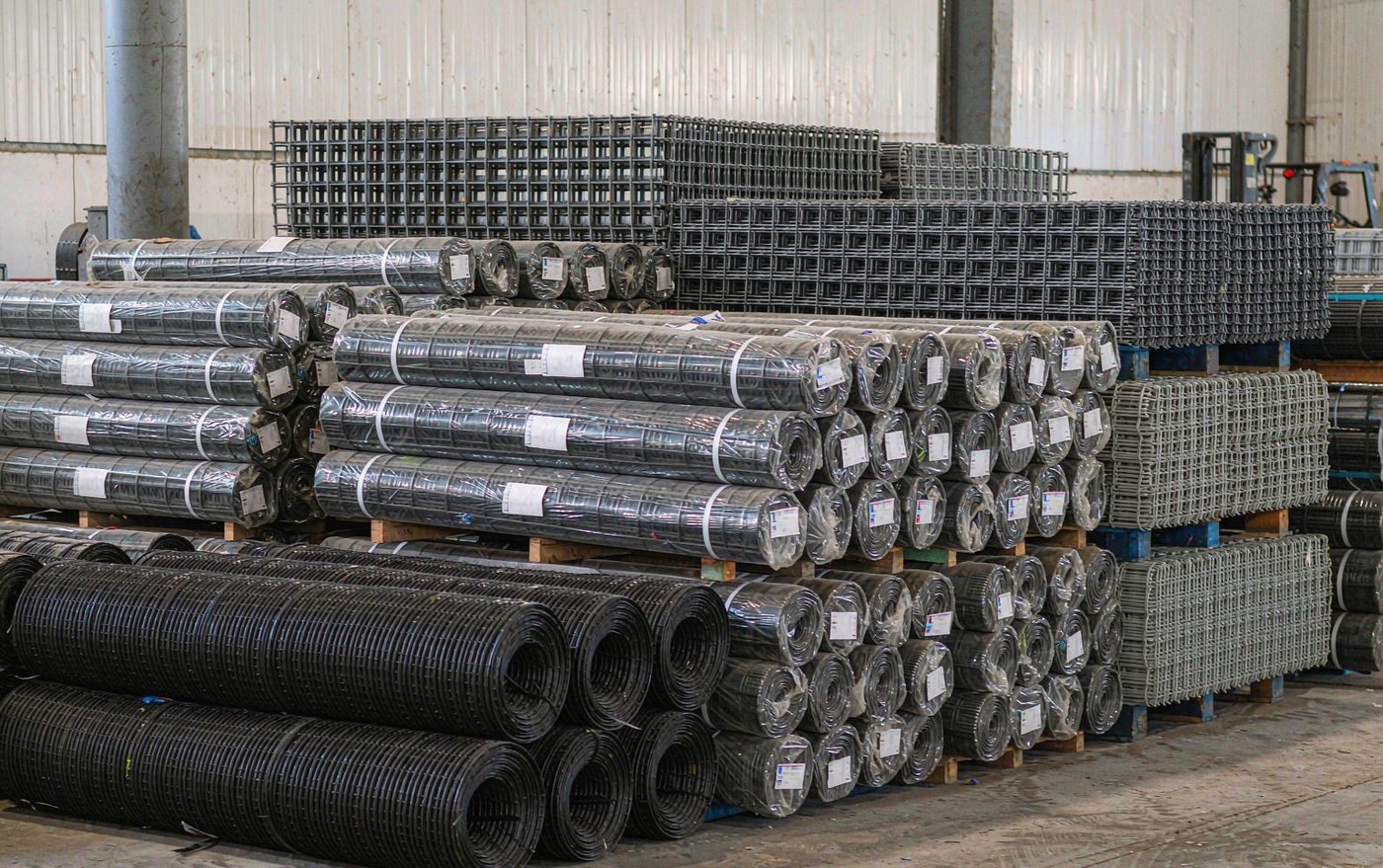
A geogrid quote can come back anywhere from $0.30 to $3.50 per square meter for what looks like the same product on paper — and both quotes can be honest. Geogrid price is driven by tensile strength grade, polymer and steel content, coating thickness, roll size and order quantity, and the spread between grades is far wider than most buyers expect.
This guide gives you the 2026 indicative price ranges for the three main geogrid families, explains exactly what moves the number, and shows you how to collect the five pieces of information a factory needs to quote your project accurately — instead of guessing.
Typical Geogrid Price Ranges in 2026
All figures below are indicative ex-works (EXW) ranges for container-quantity orders, in USD per square meter. Project-specific pricing depends on specification, volume and destination, so treat them as a budgeting frame, not an offer.
- Biaxial geogrid (steel-plastic or PP), 20–50 kN/m — the workhorse for road base and gravel driveway stabilization: roughly $0.35–$1.20/m². Low-strength PP biaxial rolls for driveways sit at the bottom of the range; welded steel-plastic grids with heavier coating move toward the top.
- Biaxial geogrid, 80–150 kN/m — heavy-duty base reinforcement over weak subgrade, airport and port pavements: roughly $1.00–$2.20/m².
- Uniaxial geogrid (HDPE or steel-plastic), 50–160 kN/m — the high-strength directionality needed for MSE walls, steep slopes and embankments over soft soil: roughly $0.90–$3.50/m². Price climbs steeply with strength because polymer or steel content per square meter scales almost linearly with the rating.
- Fiberglass geogrid for asphalt reinforcement, 50–100 kN/m — bitumen-coated, typically 1.0–1.5 m wide rolls for overlays: roughly $0.60–$2.00/m², with self-adhesive versions commanding a premium over standard coating.
Two things should jump out. First, strength grade, not brand, is the biggest driver — a 120 kN/m uniaxial grid costs several times a 30 kN/m biaxial, and that is correct engineering economics, not padding. Second, per-square-meter pricing is the only honest basis for comparison: per-roll quotes hide roll-length differences.
The Six Factors That Move Geogrid Price
1. Tensile strength grade. Rib cross-section and steel-wire gauge scale directly with the kN/m rating. Specify the strength you actually need from the design — over-specifying "to be safe" is the most common way projects silently double their geogrid spend.
2. Polymer and steel content. Virgin HDPE/PP costs more than blends with reclaimed material, and welded steel-plastic grids add the price of high-tensile wire plus its coating. This is also where cheap quotes go cheap: recycled feedstock and thinner wires pass a visual inspection and fail a load test.
3. Coating quality and thickness. The HDPE/LDPE or bitumen layer is what protects the grid for 50+ years in soil. Coating weight is a real cost line, and it is also where unscrupulous suppliers trim — ask for coating thickness on the test certificate, not just tensile values.
4. Roll width and length. Standard widths of 1–4 m and roll lengths of 30–100 m carry different waste factors on your site. A wider roll can lower installed cost even at a slightly higher per-m² price, because you lap less.
5. Order quantity. Container loads unlock the ex-works pricing above. Sample quantities and LCL shipments carry per-unit premiums that can double the effective rate — worth paying once for verification, not for the main supply.
6. Freight and Incoterms. Geogrid is light but bulky, so ocean freight meaningfully affects landed cost. Comparing an EXW quote with a CIF quote without normalizing is the second most common quoting mistake after mismatched strength grades.
Why Two Honest Quotes Can Still Differ by 30%
When you receive two quotes for the same nominal spec, the gap usually comes from one of these:
- Test reporting. Grids tested batch-by-batch to ASTM D6637/D6638 with full certificates cost more than grids with a single type-test from years ago. On reinforced slopes and walls, insist on batch reporting.
- Virgin vs reclaimed polymer. Affects creep behavior, not just price. Creep-reduced strength (the value that matters for wall design) can differ sharply at the same short-term tensile rating.
- Coating and aperture tolerance. Consistent aperture size is what lets aggregate interlock; sloppy tooling shows up as a lower price.
- After-sales specification support. A factory that reviews your cross-section and flags that your base course design needs 40 kN/m instead of 80 kN/m saves you more than its entire margin.
That last point is the quiet one: if you are paying for reinforcement you do not need, the cheapest quote is the most expensive one. Our article on how geogrid reduces aggregate layer thickness shows the mechanism — and why the grid is often cheaper than the aggregate it replaces.
How to Get an Accurate Geogrid Quote Fast
Send the factory five things and you will get a project-accurate number back, usually within one working day:
- Application — road base, MSE wall, slope, driveway, asphalt overlay (or the design drawing if you have one).
- Required tensile strength — kN/m, longitudinal and transverse, ideally from the design. If you only have a project standard, name it.
- Estimated quantity — square meters, and whether a full container is realistic.
- Roll preferences — width and length that suit your laying crew.
- Destination port — so freight is quoted on real numbers instead of guesses.
With that, a serious manufacturer will return grade options at two or three strength levels with a clear cost-strength trade-off, so you can value-engineer rather than just accept the first number. If you are still choosing between suppliers, the checklist in how to choose a geogrid supplier in China covers the certificate and audit questions that separate factories from traders.
Comparing Quotes for the Same Specification
When two offers differ mainly in roll size and coating, it usually pays to normalize on installed cost rather than roll price. Our steel-plastic biaxial geogrid data sheet lists the standard roll widths and lengths so you can convert any quote to per-square-meter terms, and the steel-plastic vs fiberglass geogrid comparison explains why the two families sit in different price bands. If your design calls for high-strength reinforcement in one direction, check the uniaxial geogrid grades before comparing against biaxial pricing — the two are not interchangeable substitutes.
FAQ
What is the minimum order for factory-direct geogrid?
Most Chinese factories quote commercially from one pallet and price aggressively from one 20ft container (roughly 3,000–5,000 m² depending on grade and roll size). Sample rolls for verification are usually available at low cost and ship by express.
Is geogrid priced per square meter or per roll?
Both exist, but always convert to per-square-meter before comparing — roll lengths vary from 30 to 100 m, and per-roll prices are where mismatches hide.
Why is fiberglass geogrid priced differently from steel-plastic?
Different raw material system (glass fiber yarns and bitumen coating vs steel wire and HDPE), different production line, different width. They are rarely substitutes: fiberglass belongs in asphalt layers, steel-plastic and PP grids in unbound base and soil.
Does a higher price mean better geogrid?
Only when it reflects verifiable content: certified tensile values, coating thickness, virgin polymer and batch testing. Above that baseline, the value differences are in engineering support and consistency — which you verify with a sample and a third-party test, not with the price tag.
Get a Project-Specific Price
The ranges above are for budgeting. For a number you can put in a tender, send your cross-section or specification to GeoTexGrid and we will return strength options with indicative pricing — steel-plastic biaxial geogrid from 30–150 kN/m, uniaxial geogrid for walls and slopes, and fiberglass geogrid for asphalt — all tested to ASTM standards on every batch.
Request a quote on the contact page, message us on WhatsApp, or email cn8978688@gmail.com — most quotations go back within one working day.
مقالات ذات صلة
Fiberglass Geogrid China Supplier: Mesh and Coat
How to vet a fiberglass geogrid China supplier: mesh size, bitumen vs polymer coating, and the rib-count arithmetic that proves a 30-100 kN/m datasheet.
Woven Geotextile China Manufacturer: Slit Film
A woven geotextile China manufacturer explains slit film tapes, the grab-versus-wide-width trap, and how roll width changes the area you pay for.
Geocell China Manufacturer: Perforation Surface
Perforated or textured walls decide how a geocell drains and grips. A geocell China manufacturer explains wall options, weld QC and checks before order.