
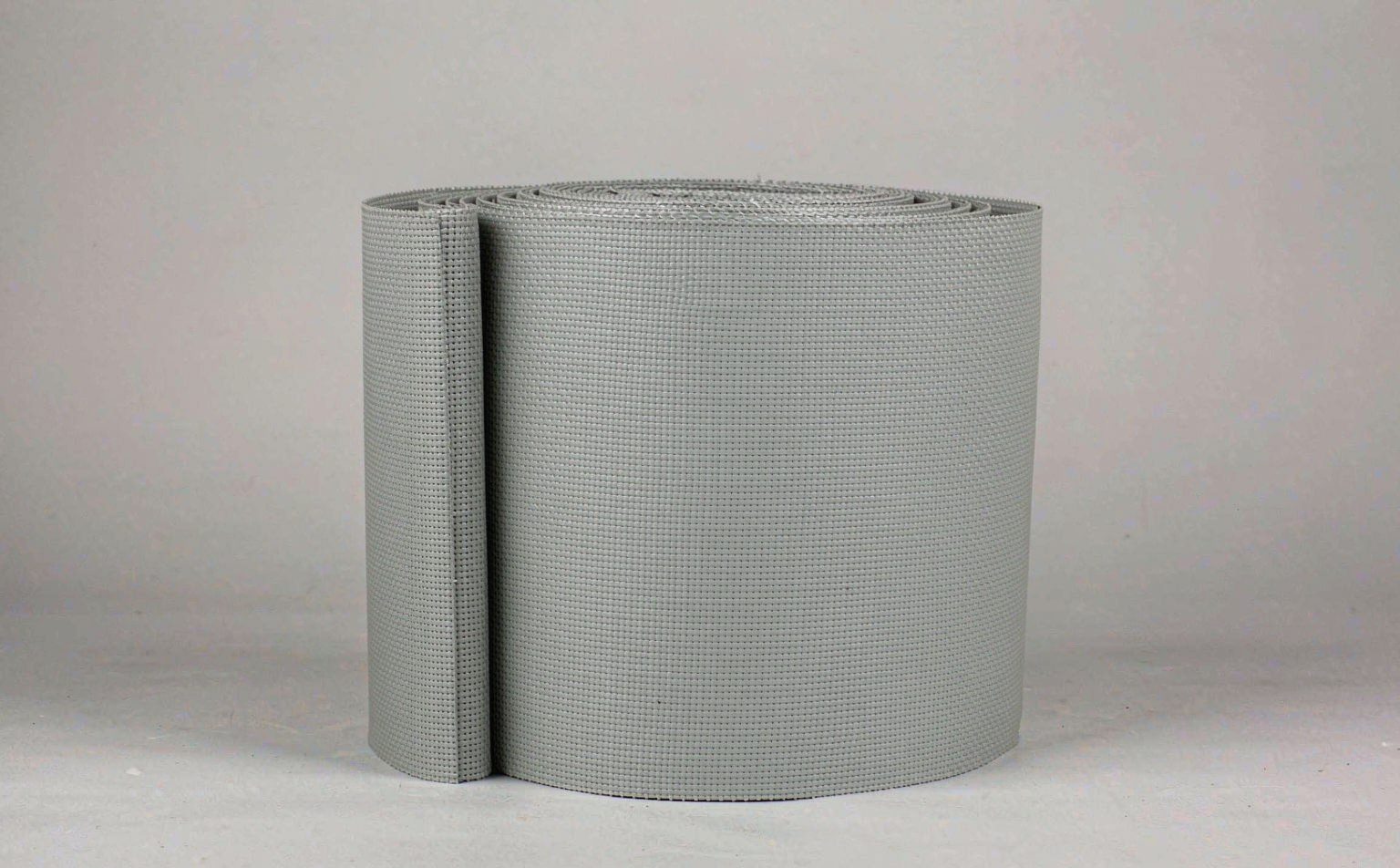
Polypropylene (PP) Geotextile
Polypropylene geotextile with excellent alkali resistance and low density - a durable choice for filtration in alkaline conditions.
Indicative Price Range
USD 0.40 - 1.30 / m²
Indicative factory range per m2. Final price depends on thickness or unit weight, roll width and order volume. Send us your specification and we will return a firm factory-direct quote within 24 hours.
Product Description
PP geotextile is made from polypropylene fibres, a material with outstanding alkali resistance and very low density. In alkaline soil and water conditions it keeps its strength far better than polyester alternatives, and the low density means one roll covers more area - less handling and lower installed cost.
PP or PET? Decide on the chemistry first. Choose PP when the ground or pore water is alkaline - cement-stabilised subgrades, lime-treated soils, concrete contact zones, industrial sites with high-pH runoff - because polypropylene is chemically inert across the full pH range while polyester loses strength by hydrolysis above roughly pH 9. Choose PET where pH is neutral but the design is governed by long-term tensile load, because polyester creeps less under sustained stress. In neutral ground with heavy sustained load, PET is the stronger choice; in alkaline ground, PP is the only one that will still be performing in twenty years.
How to specify the grade. As with any nonwoven, unit weight drives everything else: 150 g/m2 suits light separation and landscaping drainage, 200-300 g/m2 is the working range for road separation and subsoil drainage, and 400-600 g/m2 is used where the fabric must resist puncture from coarse angular aggregate. Specify apparent opening size (AOS) against your soil grading so the fabric retains the particles it must, and permittivity against the flow it must pass. Send us both numbers from your design and we will match a grade rather than selling you the heaviest fabric in the range.
Installation notes. Panels are joined by overlap - 300 mm minimum on prepared subgrade, more on soft ground where the surface will deform - and can be sewn or thermally bonded where the placement sequence makes plain overlaps unreliable. Because polypropylene is hydrophobic and floats in water, lay PP fabric with care in wet trenches: weight the overlap until cover material is placed. Cover the fabric promptly after laying, since even UV-stabilised grades lose strength under prolonged exposure, and place a cushion lift before running tracked plant over it.
Standards and documentation. Our PP geotextile is tested to the methods buyers specify: grab tensile strength and elongation (ASTM D4632), trapezoidal tear (ASTM D4533), puncture (ASTM D4833 / D6241), apparent opening size (ASTM D4751) and permittivity (ASTM D4491), with UV retention reported for stabilised grades. Alkali resistance can be confirmed by immersion testing where the project specification demands it. Certificates are issued per production lot with roll traceability, and third-party inspection before shipment is available through SGS, BV or Intertek.
We produce PP geotextile in customizable weights and widths. Ask our team for a recommendation for your site conditions.
Tell us the soil pH, the design load and the drainage requirement - we will recommend the grade and confirm supply and lead time within 24 hours.
Key Features
- Excellent alkali resistance for alkaline soils
- Low density - more coverage per roll, easier handling
- Hydrophobic fibre stays stable in wet conditions
- Resistant to mildew and biological attack
- UV-stabilized options available
- Chemically inert across the full pH range
- Wide rolls reduce overlaps and installation time
- Per-lot test certificates, third-party inspection available
Applications
- •Drainage and filtration in alkaline soil conditions
- •Road and parking area separation
- •Erosion control on slopes and channels
- •Agricultural and landscaping drainage
- •Wetland and lagoon protection layers
- •Cement and lime stabilised subgrade works
- •Concrete contact and below-slab drainage
- •Industrial sites with high-pH runoff
Technical Specifications
- Material
- Polypropylene (PP)
- Structure
- Needle-punched nonwoven
- Unit Weight
- 150 - 600 g/m2
- Chemical Resistance
- Stable across the full pH range
- Apparent Opening Size
- AOS tested, ASTM D4751
- Permittivity
- Tested, ASTM D4491
- Roll Width
- Up to 6 m, custom slit on request
- Standard
- ASTM D4632 / D4533 / D4751 / D4491
Related Products
Nonwoven Geotextile
Needle-punched nonwoven geotextile rolls in PET or PP for filtration, separation and protection, cut to project width.
Woven Geotextile
High-tensile woven geotextile for separation and reinforcement where strength at low elongation matters.
Polyester (PET) Geotextile
Polyester continuous-filament nonwoven geotextile with high strength and creep resistance for demanding filtration and separation.
Related Technical Articles
AASHTO M288 Geotextile Classes Explained for Engineers
Understand AASHTO M288 geotextile classes 1, 2 and 3, the MARV strength values behind each class, and how to match AOS and permittivity to your soil.
Geotextile vs Geomembrane: Which One Fits Your Design?
Geotextile vs geomembrane comes down to flow: a geotextile filters water through, a geomembrane blocks it. Compare specs, tests and cost drivers.
PET vs PP Geotextile: Which Polymer Fits Your Project?
Compare PET and PP geotextile polymers by strength, creep, chemical resistance and cost, and learn which one suits reinforcement, filtration or separation.